Discover the origins and history of NASCAR

The Origins and History of NASCAR: From Moonshine Runs to Road-Saving Innovations | Traffic Safety Guide The Origins and...

Are Electric Bikes Causing Traffic Safety Issues?

Are Electric Bikes Causing Traffic Safety Issues? Electric bikes (e-bikes) have surged in popularity, offering an eco-friendly alternative to...

5 Worst Traffic Jams in US History

The 5 Worst Traffic Jams in U.S. History: Causes, Impacts & Lessons Learned From blizzards and music festivals to...

5 Safe Driving Tips for New Drivers

5 Safe Driving Tips for New Drivers 5 Safe Driving Tips for New Drivers Driving for the first time...

How do you jumpstart a car or truck, a complete guide

How to Safely Jump-Start a Car With a Dead Battery How to Safely Jump-Start a Car With a Dead...
Uncategorized
Discover the origins and history of NASCAR
Traffic Safety
Are Electric Bikes Causing Traffic Safety Issues?
Traffic Facts, Traffic Safety
5 Worst Traffic Jams in US History
Traffic Safety
5 Safe Driving Tips for New Drivers
Highway Safety, Traffic Facts, Traffic Safety
How do you jumpstart a car or truck, a complete guide
Traffic Safety

If a Traffic Cone is not Orange, is it a Traffic Cone?


Traffic Cone Legality Colors

Traffic Cone Legality and Colors

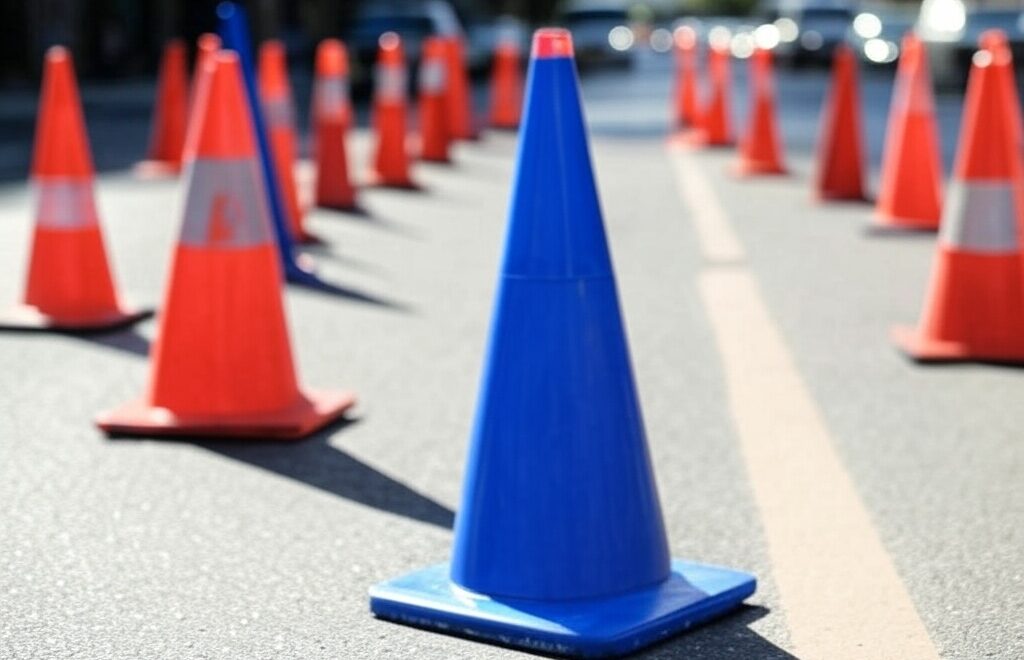
When picturing a traffic cone, the first color that likely comes to mind is bright orange. This fluorescent hue is widely recognized as an indicator of caution and is universally associated with road safety. But what happens when a traffic cone isn’t orange? Is it still a traffic cone—and more importantly, is it legal?

Traditionally, traffic cones are colored bright orange because this color is highly visible, making them ideal for signaling caution and guiding drivers through construction zones or traffic diversions. However, the definition of what constitutes a traffic cone does not exclusively rely on color.

In many jurisdictions, a traffic cone is legally defined by its function and shape rather than color alone. For example, cones can also come in reflective white, yellow, green, or even blue. Each color typically represents a different function: white cones might signify pedestrian areas or parking spaces, blue can indicate accessibility parking or areas reserved for disabled individuals, green cones are sometimes used to mark entrances to secure areas or work zones, and yellow cones often indicate no-parking zones or cautionary warnings beyond general construction alerts.

Legally, the color requirement varies depending on local and national regulations. In the United States, the Manual on Uniform Traffic Control Devices (MUTCD) issued by the Federal Highway Administration provides guidelines rather than strict mandates. It specifies that cones used during the daytime must be predominantly orange and for nighttime use should have reflective material for enhanced visibility. However, there can be variations allowed under specific circumstances or by local regulations, provided they serve an appropriate safety purpose.

In the United Kingdom, traffic cones must comply with British Standard BS EN 13422:2004, typically mandating the bright orange color with reflective sleeves. Similar standards exist throughout the European Union and other countries, though local variations might permit the use of alternative colors for specialized purposes.

Therefore, if a cone is not orange, it can still legally be considered a traffic cone if it complies with local safety and regulatory requirements regarding visibility, reflective properties, and specific situational use. While the orange cone remains iconic, the broader palette serves a meaningful safety and organizational purpose across various contexts.

In conclusion, a non-orange traffic cone is indeed still a traffic cone, as long as it adheres to local regulations and fulfills its intended function effectively and safely. Its legality is tied not to its color alone but rather to compliance with standards that ensure road safety.

Continue reading
Related posts
Why do people Steal Traffic Cones
March 27, 2025
stealing a traffic cone
Traffic Safety

Why do people Steal Traffic Cones


Why Do People Steal Traffic Cones?


Why Do People Steal Traffic Cones?

A Look at Psychology, Society, Pop Culture, and Legal Consequences

Introduction

Stealing a traffic cone might sound random at best and pointless at worst—yet it’s surprisingly common. From college dorms proudly sporting neon-orange souvenirs to social media posts celebrating quirky cone rescues, this odd phenomenon raises a question: why on Earth do people do it? Below, we delve into the psychology, sociology, lighter pop culture angles, and the legal repercussions behind traffic cone theft in the United States.

1. The Psychological Angle

Rebellion and Thrill:
Traffic cones are public property—clearly not meant for private collecting. Yet, a small act of defiance can be exciting. Swiping a cone provides a fleeting “rush” because it’s mischievous, but generally perceived as low-stakes compared to bigger crimes.

Peer Pressure and Group Dares:
The simple moment of “I dare you to grab that cone” often seals the deal. In a group setting—especially among friends—this quick challenge becomes an entertaining anecdote. Many cone thieves admit they did it on impulse or when a friend egged them on.

Feeling of Ownership:
Cones often look “unclaimed,” sitting outside without direct supervision. This perceived detachment can lead people to rationalize that taking it isn’t truly hurting anyone. Of course, the reality is different: cones are crucial for public safety and traffic control.

2. A Sociological View

Who’s Doing It?
Most stories about cone theft involve young adults—commonly college students. Dorm rooms adorned with “borrowed” cones aren’t unheard of, especially in party-centric college towns. That said, there have been incidents involving older adults, too—sometimes even using stolen cones to reserve their own parking spots.

Where and When:
Theft often happens at night or during holidays and events where crowds gather (think block parties, college homecomings, and festivals). Alcohol can also lower inhibitions. The result: a once-strict rule follower might morph into someone who decides a bright orange souvenir is just too tempting.

Impacts on Public Services:
Believe it or not, traffic cone theft can become a budgetary concern for cities. Departments of Transportation and Public Works need to reorder cones regularly because so many go missing. This cost eventually trickles down to taxpayers.

3. Humor, Memes, and Pop Culture

Social Media Moments:
Cones are visually iconic—bright, tall, and shaped perfectly for silly “cone hats” or comedic videos. It’s no wonder social media is awash with photos of people posing with traffic cones after a night out. This playful imagery has transformed the cone into a weird sort of internet celebrity.

Campus Lore:
From informal competitions to see who can collect the most cones to comedic “pranks” staged in dorm lobbies, cone theft is an oft-retold tale in college folklore. It’s one of those odd, harmless-seeming comedic rites of passage for some students.

Beyond the States:
While focusing on the U.S., it’s fun to note that cone humor is global. In Glasgow, Scotland, a famous statue of the Duke of Wellington is perpetually topped with a traffic cone—a local tradition so beloved that attempts to stop it have repeatedly failed. Though not exactly “theft,” it shows how deeply entrenched cone hijinks have become worldwide.

4. Stats and Notable Examples

  • One million cones stolen? Some estimates suggest that as many as a million cones disappear from American streets each year. Not all vanish due to theft; some are destroyed or lost. Still, theft accounts for a significant chunk.
  • Philadelphia: The city reportedly has to buy thousands of replacement cones annually, often because the originals “walk away.”
  • Connecticut: One town started a social media campaign asking residents to return cones taken during storms, as nearly all of them had vanished overnight.

These real-world anecdotes highlight how minor pranks can add up to major headaches for municipalities.

5. Legal Consequences and Enforcement

Is It Illegal?
Yes. Even though a traffic cone might cost only $20–30, it’s still government or contractor property, so taking one constitutes theft. If you’re caught, penalties vary by state but may include fines or even misdemeanor charges.

Enforcement Reality:
Police might not prioritize every missing cone, but if they catch someone red-handed—especially if the theft leads to a hazardous situation—expect legal trouble. In certain places, a rash of cone thefts has led to stricter crackdowns, including arrests.

Safety Risk:
Apart from legal risks, removing cones can endanger drivers and pedestrians. Cones mark hazards like potholes or temporary lanes. When they disappear, accidents become more likely.

Conclusion

Whether it’s for the thrill, a social dare, a comedic Instagram post, or a misguided plan to claim a parking space, traffic cone theft is a peculiar phenomenon with broader consequences than one might expect. In the U.S., it’s mostly fueled by the fun of rebellion and a dash of peer pressure, but it also wastes city resources and risks public safety. So next time you see a cone sitting quietly by the roadside, remember it has an important job—maybe think twice before turning it into your next novelty souvenir.


Continue reading
Related posts
If a Traffic Cone is not Orange, is it a Traffic Cone?
March 28, 2025
Traffic Safety

Brief History of the Stoplight, why Red, Green, Yellow?


History of Traffic Light Colors


Why Traffic Lights Are Red, Yellow, and Green

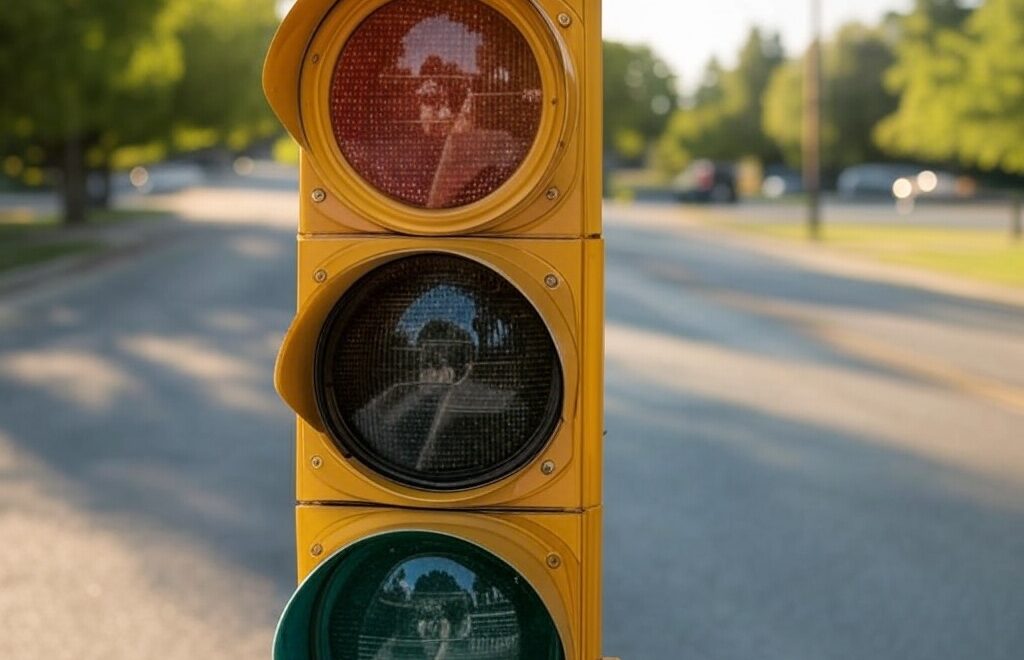
Have you ever paused at a stoplight and wondered, “Why exactly is red for stop, green for go, and yellow for caution?” The colors of our everyday traffic lights weren’t randomly selected; their history goes back much further than automobiles themselves, rooted deeply in human psychology, historical context, practicality, and cultural significance.

The Significance of Red

Originally, railway signals used color coding to control trains, influencing early transportation pioneers who adapted these signals for roadways. Red, universally recognized as a color of danger and caution due to its high visibility and long wavelength, naturally became the choice to signify “stop.” Long before cars, maritime vessels used red lanterns to signal warnings at night, and even medieval knights associated red banners and flags with danger or imminent battle. Psychologically, red evokes a sense of urgency, effectively prompting immediate reactions from drivers.

Why Green Means Go

Green, positioned opposite red on the visible spectrum, became a natural candidate for “go.” It offers clear visual contrast, minimizing confusion among drivers. Historically, green has symbolized safety, permission, fertility, growth, prosperity, and freedom to proceed, making it intuitive and positive in its use on roads. Psychologically, green is calming and reassuring, reinforcing its suitability for indicating safe passage. Additionally, green is easily discernible from greater distances.

The Role of Yellow

Yellow sits between red and green on the visible spectrum and logically represents caution or preparation. Originally, railway systems experimented with white as a caution signal, but white lights were often mistaken for stars or other ambient lights, causing dangerous confusion. Yellow, distinctly visible and easily differentiated from other lights, replaced white. Yellow psychologically signals alertness, ensuring drivers maintain awareness of changing conditions.

Global Standardization

The first three-color traffic signal was installed in Detroit in 1920, developed by police officer William Potts. His innovation combined necessary safety cues from railway signals with practical urban traffic needs, laying the foundation for standardized traffic control worldwide. By 1935, traffic lights in the United States uniformly adopted the red-yellow-green configuration to manage increasingly congested roads safely.

Over time, international agreements such as the Vienna Convention on Road Signs and Signals formally standardized these colors globally, transcending cultural and linguistic barriers. Today, this simple trio of colors effectively regulates traffic worldwide, enhancing global road safety and managing traffic efficiently.

Beyond Traffic Lights

These colors have influenced other safety-related areas and signage, demonstrating the broad influence and intuitive nature of the red-yellow-green system. The ongoing reliance on this system highlights humanity’s universal understanding of risk, caution, and safety—a testament to the lasting effectiveness of this simple yet essential signaling system.


Continue reading
Traffic Safety

Most popular car and truck colors for 2024


Which Colors Were Popular for Cars and Trucks in 2024?

Which Colors Were Popular for Cars and Trucks in 2024?

Every year, automotive color popularity shifts in subtle or sometimes surprising ways.
According to trusted industry authorities like
Axalta
and
PPG,
certain hues stand out both in showroom sales and on the roads. Let’s explore the top five
most popular colors for cars and trucks in 2024 and why they continue to dominate.

1. White

According to the 2024 Axalta Global Automotive Color Popularity Report, white once again
topped the list for its widespread appeal. This crisp, modern color not only exudes a sense of cleanliness
but also tends to hide everyday dirt. Whether it’s a compact city car or a full-sized work truck,
white remains the go-to for buyers looking for a sleek, yet low-maintenance finish.

2. Black

The PPG 2024 Automotive Color Trends Survey highlights black’s enduring popularity, especially
for luxury models and full-size trucks. This sophisticated hue provides a premium feel and can dramatically
showcase a vehicle’s contours. Although black may require more frequent cleaning to maintain its deep luster,
it continues to be a mainstay choice for many drivers seeking a bold statement.

3. Silver

Silver has historically been a top contender, and 2024 was no exception. Per Axalta’s and PPG’s findings,
silver’s timeless, practical qualities resonate with a wide range of consumers. It strikes a balance between
the brightness of white and the understated elegance of gray. Its reflective nature can also help keep a
vehicle cooler in sunlight, making it a practical choice in warmer climates.

4. Gray (Gunmetal and Charcoal)

Gray shades—including gunmetal and charcoal—have experienced a surge in market share over the past few years.
The 2024 Axalta Report indicates that gray’s ascent owes to its contemporary style and ability to mask
light dust or road grime. Many truck owners in particular gravitate towards darker grays for a rugged look
that pairs well with custom accessories.

5. Red

Rounding out the top five, red continues to captivate those looking for something sporty and attention-grabbing.
PPG’s survey data reveals that red is often associated with performance cars and off-road trucks designed to
stand out. Despite its smaller share compared to neutral shades, red remains a beloved choice for drivers
who prefer a bit more flair.

Why These Colors Lead the Pack

Year after year, the dominant colors often share common traits: versatility, broad market appeal, and good
resale value. Neutrals—like white, black, silver, and gray—attract buyers from all walks of life, ensuring
strong demand in used-car markets. Red, although more niche, delivers a strong visual impact that appeals
to enthusiasts and drivers who value a standout aesthetic.

Key Takeaways for 2024 Buyers

When choosing a color for your next vehicle, considering resale value and maintenance can be just as
important as personal preference. If you’re leaning toward a showstopper hue like red, remember it may
require a bit more dedication to keep it looking vibrant. If a lower-maintenance option is more your style,
neutral tones offer easy upkeep and broad appeal down the line.

In the end, the best color is the one that you’ll love every time you see it in the driveway.
Whether you choose a top favorite like white or black—or a bolder color that bucks the trend—make sure it
reflects your personal taste and meets your practical needs.


Continue reading
Highway Safety

What is the Ideal Highway Drving Speed?


The Ideal Speed to Drive on Highways


The Ideal Speed to Drive on Highways

By TrafficSafe Today

Introduction

Determining the “ideal” speed to drive on highways can be a nuanced topic. While
speed limits and regulations differ across countries—and sometimes even within
regions of the same country—experts generally agree that striking a balance
between safety, efficiency, and legality is key. This article aims to provide
a broad overview of factors that influence what might be considered an “ideal”
highway driving speed.

Following Posted Speed Limits

The most straightforward guideline for choosing your driving speed is to follow
the posted speed limit. These limits are typically set by local or national traffic
authorities and are informed by studies on:

  • Road design and capacity
  • Accident statistics
  • Average traffic flow
  • Environmental factors (e.g., terrain, weather patterns)

In the United States, for instance, highway speed limits commonly range between 55
and 70 miles per hour (mph), although some rural stretches of highway may allow up
to 80 mph or more. In many European countries, limits often range from 90 to 130
kilometers per hour (km/h), depending on location, road conditions, and national
regulations.

The 85th Percentile Rule

Traffic engineers often refer to the “85th percentile rule” when setting speed
limits. This principle suggests that the majority of drivers naturally choose
a safe and reasonable speed for road conditions. By measuring how fast 85% of
vehicles travel on a given stretch of road, authorities can determine a
realistic—and therefore safer—speed limit.

While this approach helps reduce speeding violations and promote smoother traffic
flow, it does not eliminate the need to adjust driving speeds for current conditions.
Rain, snow, heavy traffic, road construction, and other factors can make even a
posted speed limit less than ideal in certain situations.

Balancing Safety and Efficiency

Maintaining a consistent speed that keeps pace with the flow of traffic is usually
considered safer than driving significantly slower or faster than other vehicles.
Driving well below the prevailing speed can cause abrupt lane changes and sudden
braking, increasing the risk of collisions. Conversely, driving too fast reduces
reaction time and makes it harder to respond to unexpected hazards.

Key points to keep in mind:

  • Always adjust your speed for adverse weather and visibility conditions.
  • Keep a safe following distance to allow for adequate reaction time.
  • Ensure that you are comfortable and in full control of your vehicle, free
    from distractions like mobile phones.
  • Monitor changes in speed limits or warning signs, especially in work zones.

Fuel Efficiency Considerations

Fuel efficiency often peaks at moderate speeds—typically between 50 and 60 mph
(80 and 96 km/h) for many vehicles—though the exact range can vary based on engine
type, aerodynamics, and vehicle load. Driving above these speeds can increase
aerodynamic drag, which in turn can lower overall miles per gallon (MPG) or
kilometers per liter (km/L).

From an environmental and cost-saving perspective, maintaining a moderate,
steady speed can help reduce fuel consumption. That said, you should still keep
up with traffic flow and follow local regulations; never compromise safety by
traveling significantly slower than the speed limit in a fast-moving lane.

Local Laws and Guidelines

The ideal speed can also be shaped by local laws or recommended practices. For
example, some regions have “variable speed limits” that change in real time based
on traffic flow, weather, or road incidents. Meanwhile, certain portions of the
German Autobahn have no fixed speed limit, though a “recommended speed” (usually
130 km/h) is still advised for safety and liability reasons.

According to organizations like the

National Highway Traffic Safety Administration (NHTSA)

in the United States and the

European Commission’s Road Safety Policy

in the EU, observing speed limits and adjusting to current road conditions
significantly reduce the risk of road traffic collisions.

Conclusion

While there is no one-size-fits-all “ideal speed” that applies to every highway
and every situation, the general rule of thumb is to adhere to posted speed limits
and stay in harmony with the flow of traffic. This helps ensure safety and reduces
congestion. Factors like road design, prevailing conditions, and the physical
capabilities of your vehicle also play a vital role in determining the most
appropriate speed.

Ultimately, defensive driving habits—respecting other road users, staying alert,
and exercising caution—are just as important as the number on your speedometer.
By considering all these elements, drivers can help create a safer, smoother,
and more efficient journey for everyone on the road.

© 2025 TrafficSafe Today


Continue reading

Popular posts

Speeding Through Work Zones: A Deadly Gamble

Speeding Through Work Zones: A Deadly Gamble Work zones are danger zones—speeding through them risks lives. Here’s why slowing down is non-negotiable. Why Speeding Spells Trouble in Work Zones...

Why do people Steal Traffic Cones

Why Do People Steal Traffic Cones? Why Do People Steal Traffic Cones? A Look at Psychology, Society, Pop Culture, and Legal Consequences Introduction Stealing a traffic cone might sound...