
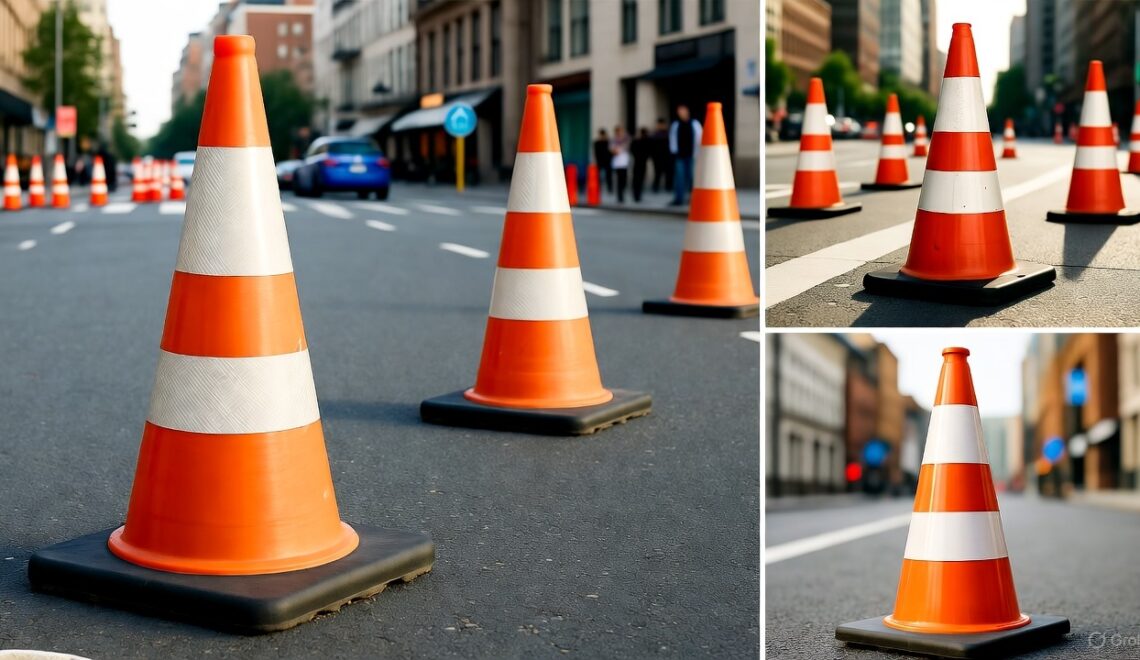
How Many Traffic Cones Are Stolen Each Year? The Hidden Dangers of Tampering with Safety Equipment
Traffic cones—those ubiquitous orange guardians of the road—seem harmless enough, but their frequent theft is no laughing matter. Estimates suggest up to 1 million cones vanish from U.S. streets annually, costing taxpayers millions and endangering lives. Drawing from 2025 reports by the National Safety Council, OSHA, and industry analyses, this article uncovers the scale of the problem and the deadly risks of removing these vital safety tools.
The Theft Epidemic: By the Numbers
Stealing a traffic cone might seem like harmless mischief—think college pranks or viral social media stunts—but the numbers reveal a widespread issue. In the U.S., approximately 1 million traffic cones are stolen every year, representing a significant drain on public resources. This figure has held steady for years, with no signs of slowing in 2025.
| Region/Metric | Annual Theft Estimate | Cost Impact | Source |
|---|---|---|---|
| U.S. National | 1 million cones | $10–20 million in replacements | Listverse (2023, reaffirmed 2025) |
| California | 8,200 cones | Up to 20% of purchased stock | OPTSIGNS Report (2025) |
| Door County, WI | 20+ cones (single incident) | Local work zone disruption | Door County Sheriff’s Office (2025) |
| Australia/NZ (referencing U.S.) | Comparable to 1M U.S. | Increased site vulnerabilities | Safe System Solutions (2025) |
These thefts aren’t isolated; up to one-fifth of government-bought cones disappear annually, fueling a $2.3 billion “plastic war” in the industry. In California alone, the loss equates to thousands of dollars in replacements, diverting funds from actual safety improvements.
Why Do People Steal Traffic Cones?
The motivations range from the absurd to the opportunistic. Social media challenges dare thrill-seekers to snag cones for likes, while college students treat them as dorm decor staples. In the UK, police have even hosted “cone amnesty” events to recover them. Others steal for resale on black markets or to use as props in events.
Recent X posts highlight the cultural quirk: from “stolen traffic cone” dorm traditions to humorous tales of midnight heists. But what starts as a joke ends in chaos—stolen cones leave work zones exposed, turning safe setups into accident traps.
The Deadly Dangers: Accidents and Fatalities Linked to Tampering
Removing or displacing traffic cones isn’t victimless; it amplifies risks in work zones where workers and drivers collide at high speeds. In 2023, work zone crashes killed 898 people and injured over 40,000, with fatalities up 50% since 2013. About three workers die daily from traffic-related incidents, often in unprotected zones.
Tampering exacerbates this: Cones guide traffic, channel vehicles away from hazards, and alert drivers to dangers. Without them:
- Worker Strikes: Flaggers and technicians face heightened risks from distracted drivers. In 2020, an employee was fatally struck while setting up cones near an exit. Another 2017 case saw a traffic technician killed mid-setup.
- Driver Crashes: Inadequate barriers lead to pileups; one OSHA report noted cones’ failure to slow traffic contributed to a fatal motorist error.
- Backover and Side-Swipe Risks: Construction sites without cones see more backing fatalities and vehicle incursions.
- Bystander Harm: Loose cones from trucks have caused multi-car accidents, injuring innocents.
By 2025, projections warn of doubled flagger injuries if theft and tampering persist, straining emergency services and hiking insurance rates.
Real-World Examples: When Cones Go Missing
In Door County, Wisconsin, a 2025 theft of 20 cones left a construction site vulnerable, prompting a sheriff’s plea: “Respect work zones, refrain from tampering.” Similar incidents in Connecticut during storms saw dozens vanish, delaying repairs and exposing crews. Even bodycam footage from arrests shows the escalation: A simple cone grab turned into a high-speed chase, endangering officers.
Solutions and Prevention: Securing Our Roads
Authorities are fighting back. GPS-embedded “smart cones” and high-visibility RFID tags deter thieves, while apps like Work Zone Safety report tampering in real-time. Fines in Texas can reach felony levels for bulk thefts. Community education campaigns emphasize the human cost, urging “If you see it, report it.”
Industry innovations for 2025 include eco-friendly, theft-resistant designs with quick-deploy mechanisms, projected to cut losses by 30%.
Tips to Protect Traffic Safety Equipment
- Report Suspicious Activity: Snap a photo and alert local authorities via non-emergency lines.
- For Workers: Use chained or weighted cones in high-risk areas; conduct nightly inventories.
- Drivers: Slow down in zones—distracted speeding kills. Obey signage even if it seems “off.”
- Parents and Educators: Teach kids theft’s consequences: Beyond fines, it’s a safety betrayal.
- Communities: Advocate for funded patrols and anti-theft tech in budgets.
- Customize your traffic cones with your company name or logo
Traffic cones save lives—one stolen is one too many. Sources
- Listverse – 10 Theft Statistics (2023, updated 2025).
- OPTSIGNS – The Cone Thief Report (2025).
- National Safety Council – Injury Facts: Work Zones (2025).
- OSHA – Accident Reports (2020–2025).
- CDC – Preventing Worker Injuries in Work Zones (updated 2025).
- Door County Sheriff’s Office – Missing Cones Alert (2025).
- Safe System Solutions – Cone Theft Snippet (2025).
- Various X posts on traffic cone thefts (Sep–Oct 2025).
Disclaimer: Provided by Traffic Safety Guide for educational purposes. Stats are estimates from cited sources; always verify with local authorities. Prioritize safety—report tampering immediately!