Category

Traffic Safety

Traffic Safety

Brief History of the Stoplight, why Red, Green, Yellow?


History of Traffic Light Colors


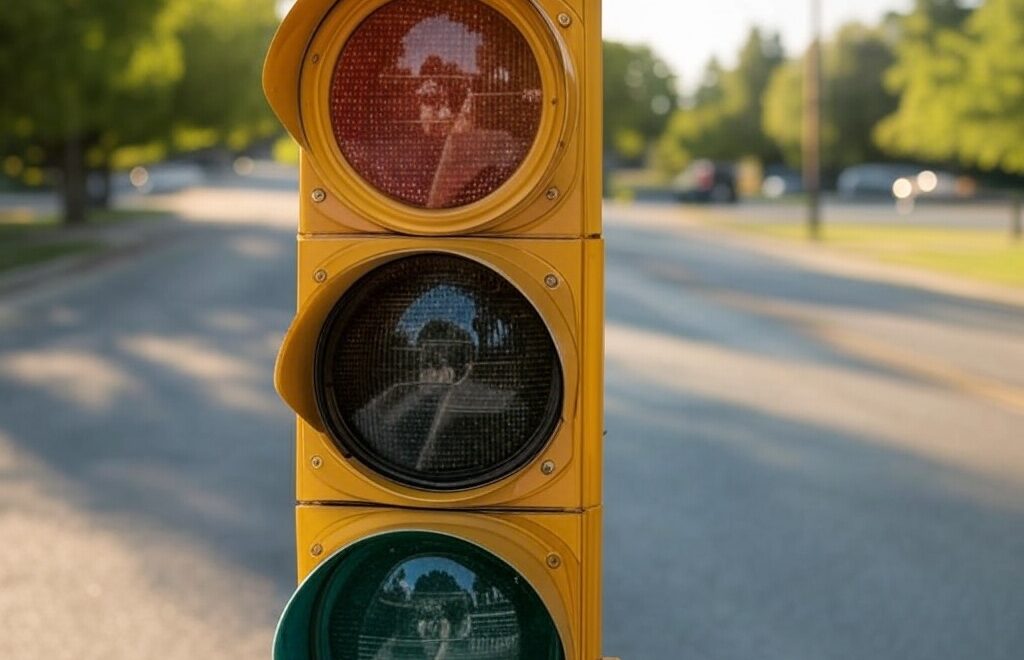
Why Traffic Lights Are Red, Yellow, and Green

Have you ever paused at a stoplight and wondered, “Why exactly is red for stop, green for go, and yellow for caution?” The colors of our everyday traffic lights weren’t randomly selected; their history goes back much further than automobiles themselves, rooted deeply in human psychology, historical context, practicality, and cultural significance.

The Significance of Red

Originally, railway signals used color coding to control trains, influencing early transportation pioneers who adapted these signals for roadways. Red, universally recognized as a color of danger and caution due to its high visibility and long wavelength, naturally became the choice to signify “stop.” Long before cars, maritime vessels used red lanterns to signal warnings at night, and even medieval knights associated red banners and flags with danger or imminent battle. Psychologically, red evokes a sense of urgency, effectively prompting immediate reactions from drivers.

Why Green Means Go

Green, positioned opposite red on the visible spectrum, became a natural candidate for “go.” It offers clear visual contrast, minimizing confusion among drivers. Historically, green has symbolized safety, permission, fertility, growth, prosperity, and freedom to proceed, making it intuitive and positive in its use on roads. Psychologically, green is calming and reassuring, reinforcing its suitability for indicating safe passage. Additionally, green is easily discernible from greater distances.

The Role of Yellow

Yellow sits between red and green on the visible spectrum and logically represents caution or preparation. Originally, railway systems experimented with white as a caution signal, but white lights were often mistaken for stars or other ambient lights, causing dangerous confusion. Yellow, distinctly visible and easily differentiated from other lights, replaced white. Yellow psychologically signals alertness, ensuring drivers maintain awareness of changing conditions.

Global Standardization

The first three-color traffic signal was installed in Detroit in 1920, developed by police officer William Potts. His innovation combined necessary safety cues from railway signals with practical urban traffic needs, laying the foundation for standardized traffic control worldwide. By 1935, traffic lights in the United States uniformly adopted the red-yellow-green configuration to manage increasingly congested roads safely.

Over time, international agreements such as the Vienna Convention on Road Signs and Signals formally standardized these colors globally, transcending cultural and linguistic barriers. Today, this simple trio of colors effectively regulates traffic worldwide, enhancing global road safety and managing traffic efficiently.

Beyond Traffic Lights

These colors have influenced other safety-related areas and signage, demonstrating the broad influence and intuitive nature of the red-yellow-green system. The ongoing reliance on this system highlights humanity’s universal understanding of risk, caution, and safety—a testament to the lasting effectiveness of this simple yet essential signaling system.

Continue reading
Traffic Safety

Most popular car and truck colors for 2024


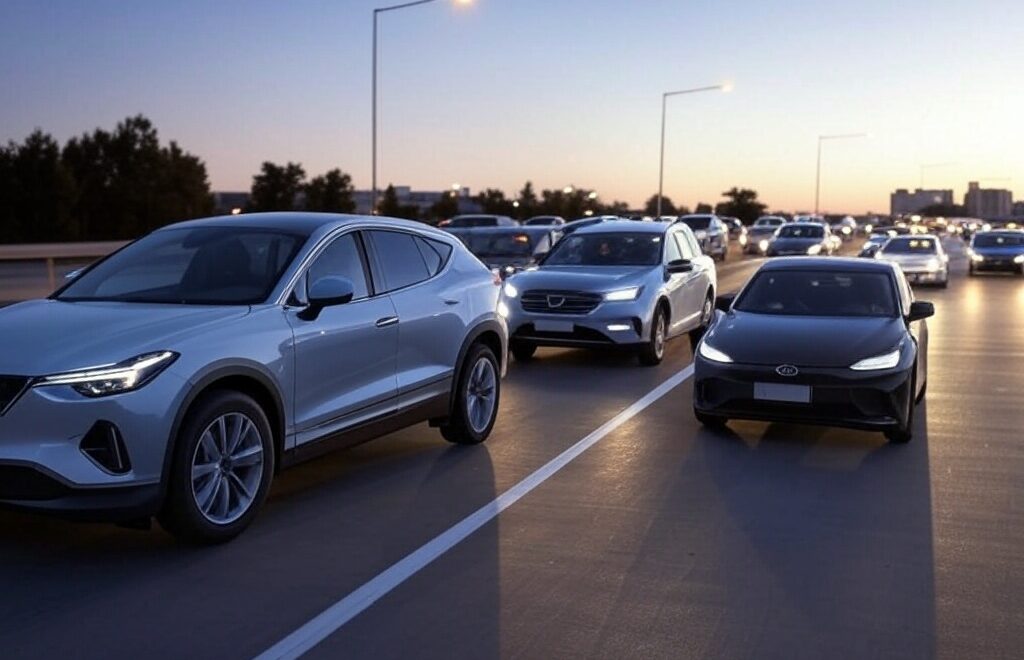
Which Colors Were Popular for Cars and Trucks in 2024?

Which Colors Were Popular for Cars and Trucks in 2024?

Every year, automotive color popularity shifts in subtle or sometimes surprising ways.
According to trusted industry authorities like
Axalta
and
PPG,
certain hues stand out both in showroom sales and on the roads. Let’s explore the top five
most popular colors for cars and trucks in 2024 and why they continue to dominate.

1. White

According to the 2024 Axalta Global Automotive Color Popularity Report, white once again
topped the list for its widespread appeal. This crisp, modern color not only exudes a sense of cleanliness
but also tends to hide everyday dirt. Whether it’s a compact city car or a full-sized work truck,
white remains the go-to for buyers looking for a sleek, yet low-maintenance finish.

2. Black

The PPG 2024 Automotive Color Trends Survey highlights black’s enduring popularity, especially
for luxury models and full-size trucks. This sophisticated hue provides a premium feel and can dramatically
showcase a vehicle’s contours. Although black may require more frequent cleaning to maintain its deep luster,
it continues to be a mainstay choice for many drivers seeking a bold statement.

3. Silver

Silver has historically been a top contender, and 2024 was no exception. Per Axalta’s and PPG’s findings,
silver’s timeless, practical qualities resonate with a wide range of consumers. It strikes a balance between
the brightness of white and the understated elegance of gray. Its reflective nature can also help keep a
vehicle cooler in sunlight, making it a practical choice in warmer climates.

4. Gray (Gunmetal and Charcoal)

Gray shades—including gunmetal and charcoal—have experienced a surge in market share over the past few years.
The 2024 Axalta Report indicates that gray’s ascent owes to its contemporary style and ability to mask
light dust or road grime. Many truck owners in particular gravitate towards darker grays for a rugged look
that pairs well with custom accessories.

5. Red

Rounding out the top five, red continues to captivate those looking for something sporty and attention-grabbing.
PPG’s survey data reveals that red is often associated with performance cars and off-road trucks designed to
stand out. Despite its smaller share compared to neutral shades, red remains a beloved choice for drivers
who prefer a bit more flair.

Why These Colors Lead the Pack

Year after year, the dominant colors often share common traits: versatility, broad market appeal, and good
resale value. Neutrals—like white, black, silver, and gray—attract buyers from all walks of life, ensuring
strong demand in used-car markets. Red, although more niche, delivers a strong visual impact that appeals
to enthusiasts and drivers who value a standout aesthetic.

Key Takeaways for 2024 Buyers

When choosing a color for your next vehicle, considering resale value and maintenance can be just as
important as personal preference. If you’re leaning toward a showstopper hue like red, remember it may
require a bit more dedication to keep it looking vibrant. If a lower-maintenance option is more your style,
neutral tones offer easy upkeep and broad appeal down the line.

In the end, the best color is the one that you’ll love every time you see it in the driveway.
Whether you choose a top favorite like white or black—or a bolder color that bucks the trend—make sure it
reflects your personal taste and meets your practical needs.


Continue reading